

Key takeaways
- A mini dachshund weighs 11 pounds or less at 12 months, per the AKC breed standard, making it a compact companion for homes of any size.
- The dachshund ranked #5 among AKC breeds in 2025, its first top-five finish since 2003.
- Mini dachshunds often live into their mid-teens, so you are choosing a long-term family member.
- Back health matters: research found IVDD affects about 24.4% of miniature dachshunds, so weight control and safe handling are essential.
A mini dachshund is a small hound that weighs 11 pounds or less, often lives into its mid-teens, and bonds hard with the people it loves. That rare mix of pocket size and big personality explains why so many buyers go looking for this breed first.
If you are comparing breeders and getting close to choosing a puppy, this guide covers what actually matters: the breed basics, the temperament you can expect, how a mini fits into apartments and houses, the health points no honest seller should skip, and how to start your search with confidence.
What Is a Mini Dachshund?
The miniature dachshund is defined by weight, not looks. The AKC breed standard sets the mini at 11 pounds or less at 12 months of age and older. Below that line you have a mini; above it, roughly 16 to 32 pounds, you have a standard dachshund. There is no separate "teacup" category in the official standard, so treat that label with caution.
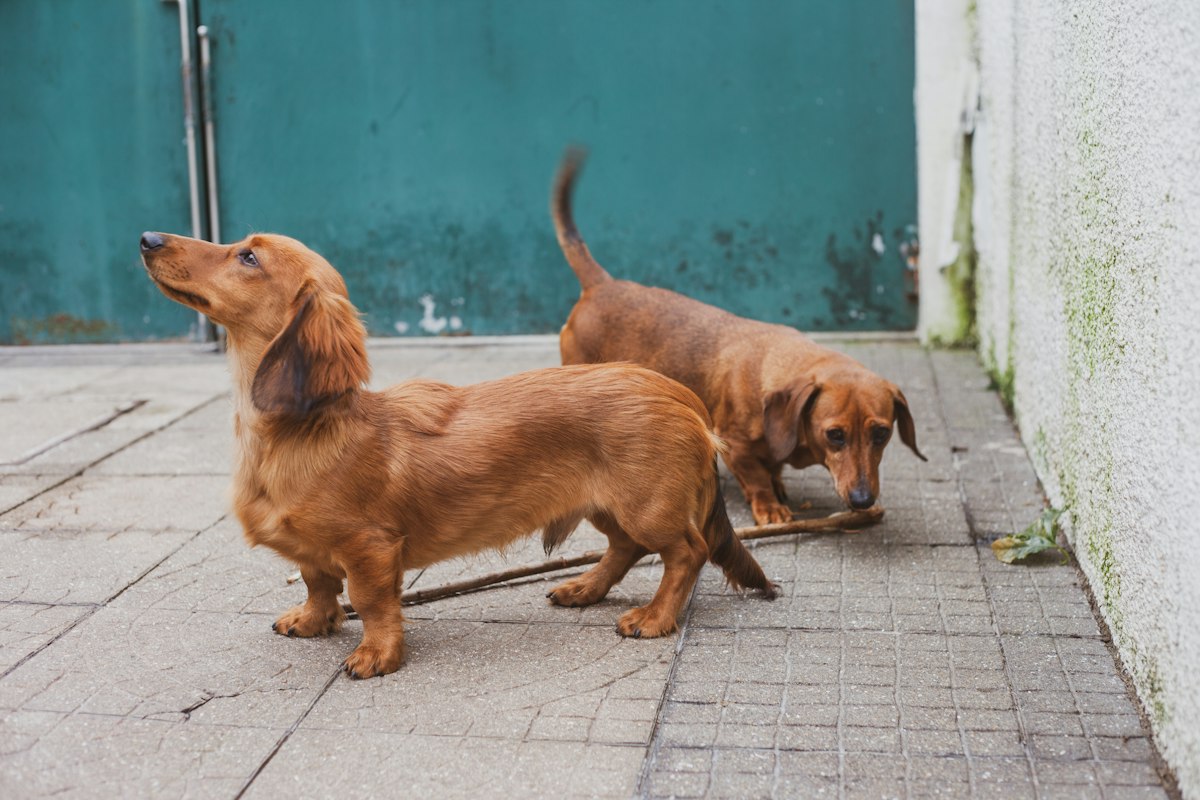
Everything else people love about the breed stays the same at the smaller size. You still get the long body, short legs, deep chest, and that bright, alert expression. Minis come in three coat types, smooth, long-haired, and wire-haired, each with its own grooming rhythm. They also appear in a wide palette of colors and patterns, from classic black and tan to red, cream, and dapple.
The breed is having a moment. In 2025, the dachshund ranked #5 among all AKC breeds, its first top-five finish since 2003 (American Kennel Club, Most Popular Dog Breeds of 2025, retrieved 2026-10-02). That popularity means more puppies on the market, which makes picking a careful breeder more important than ever. A rising breed attracts both dedicated breeders and opportunists, so buyers need to know how to tell them apart.
If you want a side-by-side look at how the mini compares with its full-size cousin, our Mini Dachshund Puppies: Complete Breed Guide breaks down the differences in detail.
What Is a Mini Dachshund's Temperament Like?
Mini dachshunds are affectionate, clever, and fiercely loyal, traits that come straight from their history as determined hunting dogs. They were bred to track badgers underground, so courage and persistence are baked in. In a home, that translates to a dog that wants to be near you and will happily follow you from room to room.
Expect a big voice in a small frame. Minis are alert and tend to bark at new sounds, which makes them surprisingly good little watchdogs. That hunting drive also shows up as stubbornness during training. They are smart, but they like to decide things for themselves, so they respond best to short, patient, reward-based sessions started early.
They form strong attachments to one or two people while staying warm with the whole household. That devotion is the heart of the breed's appeal, and it is why so many owners describe their dachshund as a shadow. Socialize a mini puppy young, with gentle exposure to children, visitors, and other pets, and you get a confident, easygoing adult. Skip that window and the same dog can grow wary or reactive, so early effort pays off for years.
A quick word on children: minis do well with kids who are taught to handle them gently and support their backs. Rough play and dropping are the main risks for a long-bodied dog, so supervision with very young children matters.
Can a Mini Dachshund Live in Any Home?
A mini dachshund adapts to almost any living space, from a city apartment to a house with a yard, because its exercise needs are moderate rather than demanding. Two short walks and some indoor play usually cover a day. Their small size and quiet-ish indoor manner make them a practical choice where space is tight.
What they truly need is company. A mini left alone for long stretches can get bored and vocal, so they suit people who are home often or can bring the dog along. They thrive on routine and a warm spot to burrow, often disappearing under a blanket within minutes of lying down.
A few home adjustments protect that long back. Add ramps or steps to furniture, discourage leaping off the couch, and use a harness instead of a collar on walks. These small habits matter more for this breed than for most, as the next section explains.
Climate is worth a thought too. With their short coats and low bodies, smooth minis feel the cold quickly, so a sweater for winter walks is practical rather than decorative. Long-haired minis handle chill a little better but pick up more mud and tangles. Either way, a mini is an indoor dog at heart that wants to be wherever the family is, not left outside.
Health and Care Essentials for Mini Dachshunds
Mini dachshunds are generally sturdy and long-lived, with many reaching their mid-teens when kept healthy. That long life is a big part of their appeal as a family pet, but it comes with one responsibility every buyer should understand before falling in love: this breed's back.
That long spine comes with a cost. Research using insurance data found intervertebral disc disease (IVDD) affected about 24.4% of miniature dachshunds, a risk far above most breeds (BMC Canine Genetics and Epidemiology, DachsLife study, retrieved 2026-10-02). IVDD can range from mild pain to serious mobility loss, which is why prevention is worth the effort.
The good news is that owners have real influence here. Keep your dog lean, since extra weight strains the spine. Limit jumping on and off high surfaces, support the body when you lift, and keep up with routine veterinary checks. Feed a measured, quality diet and keep nails trimmed and ears clean, especially for long-haired minis.
A responsible breeder is your first line of defense. One that screens their lines, raises puppies with care, and talks openly about back health gives you a healthier start. That standard is exactly what we hold ourselves to at Nobledachshundpuppies, where puppies are raised as future family members, not products.
How Do You Start Your Mini Dachshund Search?
Start by deciding what you want in coat, color, and temperament, then focus on finding a breeder you can trust rather than the cheapest listing. A good breeder answers questions, shows you the puppy's environment, shares health information, and never rushes the sale.
Ask to see where the puppies are raised, request records of any health screening, and expect the breeder to ask you questions too. A seller who cares about placement is a strong sign. If a listing pushes you to pay fast, refuses a video call, or has no history to show, walk away. Those are the patterns behind most puppy scams, and a genuine breeder will never make you feel rushed.
Price is worth understanding before you commit. A well-raised mini dachshund from a careful breeder costs more than a bargain listing, and that gap usually reflects health care, socialization, and support after you take your puppy home. Think of the higher upfront price as money saved on vet bills and heartache later.
When you are ready, browse the available mini dachshund puppies at Nobledachshundpuppies. Every puppy is raised with daily handling and early socialization so it arrives ready to settle into your home. Reach out with your questions, meet the puppy that fits your family, and take the next step toward years of loyal company from a small dog with an outsized heart.
Frequently asked questions
How big does a mini dachshund get?
A miniature dachshund weighs 11 pounds or less at 12 months of age, according to the AKC breed standard. Standard dachshunds are larger, usually 16 to 32 pounds.
How long do mini dachshunds live?
Mini dachshunds commonly live into their mid-teens. Good nutrition, a healthy weight, and regular veterinary care help them reach the upper end of that range.
Are mini dachshunds good family dogs?
Yes. Mini dachshunds are affectionate, loyal, and playful, which suits families and individuals alike. Early socialization helps them get along with children and other pets.
What is the main health concern with mini dachshunds?
Back problems. Research found intervertebral disc disease affects roughly 24.4% of miniature dachshunds. Keeping your dog lean and limiting jumping lowers the risk.
Do mini dachshunds need a lot of exercise?
They need moderate daily activity: a couple of short walks and some play. Mental stimulation matters too, since dachshunds are curious and bred to hunt.